


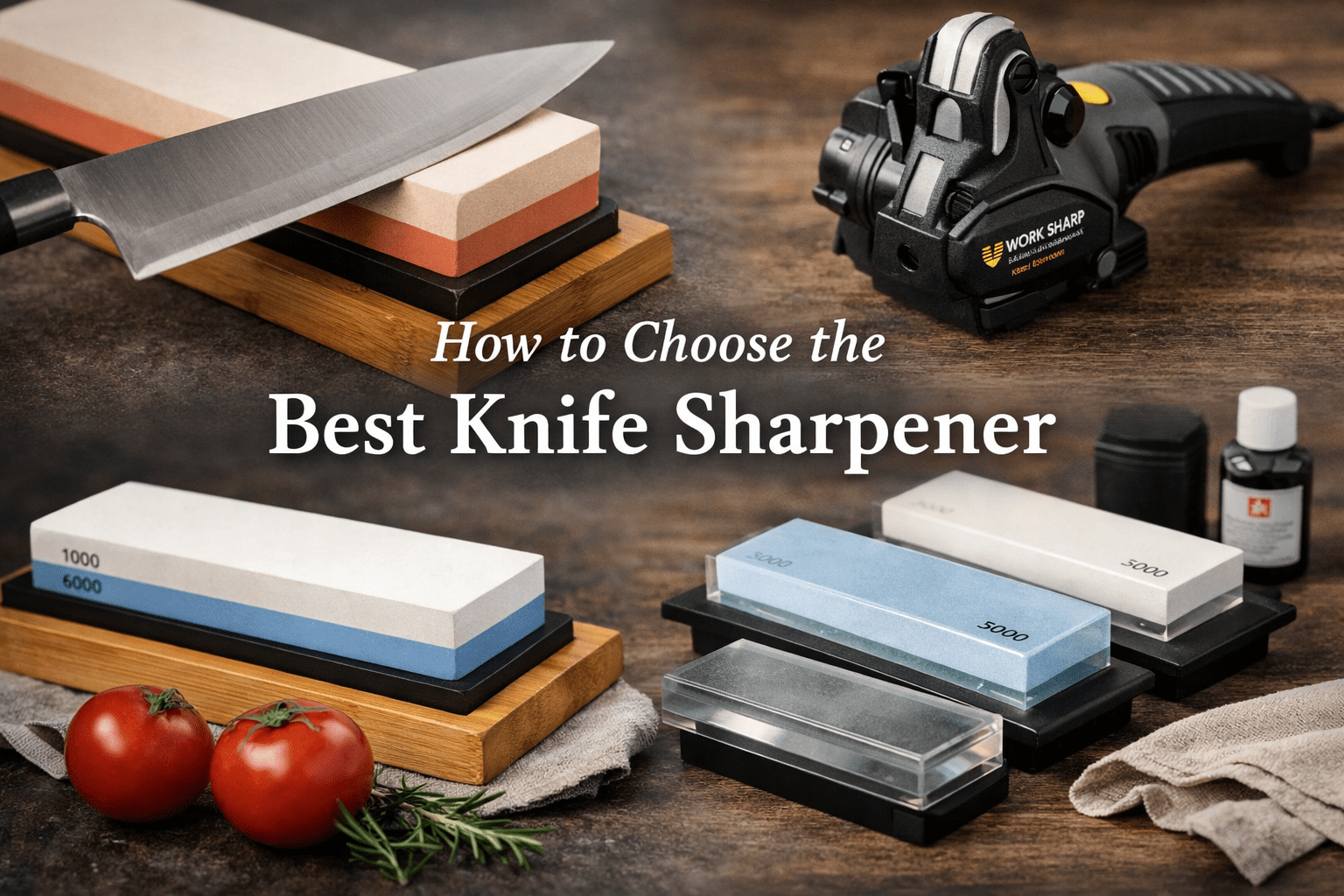
Best knife sharpeners in Australia are essential if you want safer, faster, and more precise cooking. A dull knife doesn’t just slow you down—it actually increases the risk of slipping and injury.
We analysed dozens of sharpeners, including whetstones and electric models, based on performance, ease of use, durability, and real user feedback. Whether you want professional-level sharpness or a quick everyday solution, the options below cover every type of home cook.
Here are the best knife sharpeners that deliver consistent results across different skill levels and budgets.
Table of Contents
| Quick Picks↓. | Who This Is For↓ |
| How We Picked and Tasted↓ | Real User Insight↓ |
| Other Best Product We Considered↓ | The Competition↓ |
| Why you should trust us↓ | FAQ↓ |
Quick Picks
Best Overall:
king 1000/6000 Combination Whetstone
Jump to Review ↓
Top Pick:
Amazon Basics 1000/6000 Whetstone
Jump to Review ↓
Best Electric:
Work Sharp Ken Onion Edition Knife Sharpener
Jump to Review ↓
Best Premium:
Zwilling Bob Kramer Glass Stone Sharpening Set
Jump to Review ↓
Best Overall
King 1000/6000 Combination Whetstone

The King 1000/6000 Combination Whetstone offers the best balance of performance, control, and value. It delivers professional-level sharpness without removing excessive metal, helping extend the lifespan of your knives. Its dual-grit system allows you to both sharpen and polish blades, making it suitable for most kitchen knives. While it requires some practice, the results are significantly better than most quick sharpening tools.
Top Pick
Amazon Basics 1000/6000 Whetstone

This is one of the most affordable ways to get started with proper knife sharpening. It features the same 1000/6000 grit combination found in more expensive stones, making it ideal for beginners.While it doesn’t match premium models in durability, it provides excellent value and consistent sharpening performance for everyday kitchen use
Best Electric
Work Sharp Ken Onion Edition Knife Sharpener
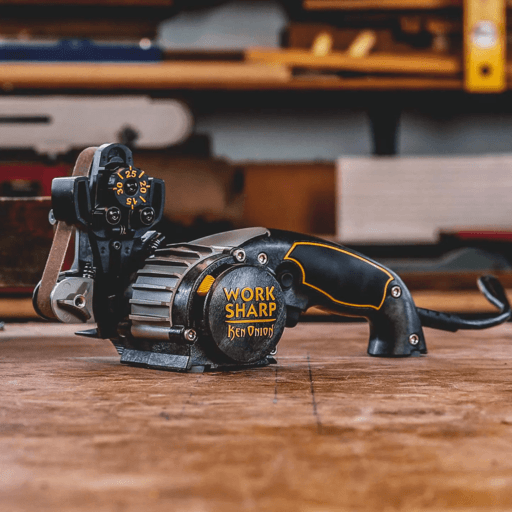
If speed and convenience matter most, this electric sharpener is one of the best options available. It uses adjustable angle guides and flexible abrasive belts to deliver fast, consistent results.It’s ideal for users who don’t want to learn whetstone techniques but still want sharp, reliable edges with minimal effort.
Best Premium
Zwilling Bob Kramer Glass Stone Set
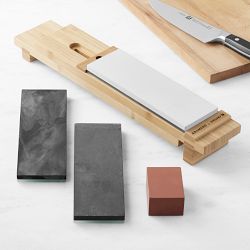
This premium sharpening system is designed for serious cooks who want maximum precision. The glass-backed stones stay flatter longer and produce extremely refined edges.It’s an investment, but for high-end knives and enthusiasts, it delivers unmatched sharpness and consistency.
Who This Is For
This guide is designed for a wide range of users, from beginners to experienced home cooks. If you cook regularly and want better control, safer cutting, and improved efficiency, a knife sharpener is a worthwhile investment. Beginners will benefit from simple and affordable whetstones or electric sharpeners that require minimal skill. Intermediate users may prefer combination stones that offer both sharpening and polishing. Advanced users and enthusiasts will appreciate premium systems that provide precise edge control and long-term performance.
How We Picked and Tested
We evaluated knife sharpeners based on four key criteria:
Performance: How effectively the sharpener restores a sharp edge
Ease of Use: Whether beginners can achieve good results
Durability: Long-term reliability and material quality
Value for Money: Overall performance relative to price
We also considered real user experiences and feedback to ensure consistent performance across different kitchen environments.
Real User Insight
Best Overall : King 1000/6000 Combination Whetstone
Everyone is searching for a Knife Sharpener that will sharpens knives like a Pro and at a reasonable price. A Pro sharpens knives for a charge that usually exceeds $100 and in most cases it’s over $200. Therefore, we consider The King 1000/6000 Combination Whetstone sharpens knives like a Pro and at a price of only $30, thus the Best Knife Sharpener title.
The King water stone is a dual-grit whetstone and is a knife used by many professional chefs. It has been endorsed by several test review publications including Serious Eats. In our opinion it is the best method for sharpening knives. Most knife sharpeners, including electric sharpeners and pull-through sharpeners, sharpen the knife by abrading the metal with a grinding action. This removes large quantities of metal. On a whetstone the knife is sharpened by wearing it down with a more controlled and finer process which will enable you to use your knives for longer.
Performance & Edge Quality
Our 1000-grit sharpening surface is ideal for sharpening your kitchen knives. This grade of grit will sharpen your knife by removing the perfect amount of metal needed to give your knife a razor sharp edge. This grit is not too coarse and will not remove too much metal. It is not too fine and will still sharpen your knife to the level you need. Ideal sharpening surface for Home cooking knives, including Chef’s knives, Santoku knives and Utility knives.
As the sharp edge of the knife is formed, the 6000-grit surface takes over and further refines and polishes the blade creating a huge difference in the knives’ cutting ability. Cut through a tomato, onion, herbs or a piece of protein and the difference in cutting feel will be night and day. You will notice that there is much less resistance in the blade allowing for less pressure to be applied when cutting through ingredients.
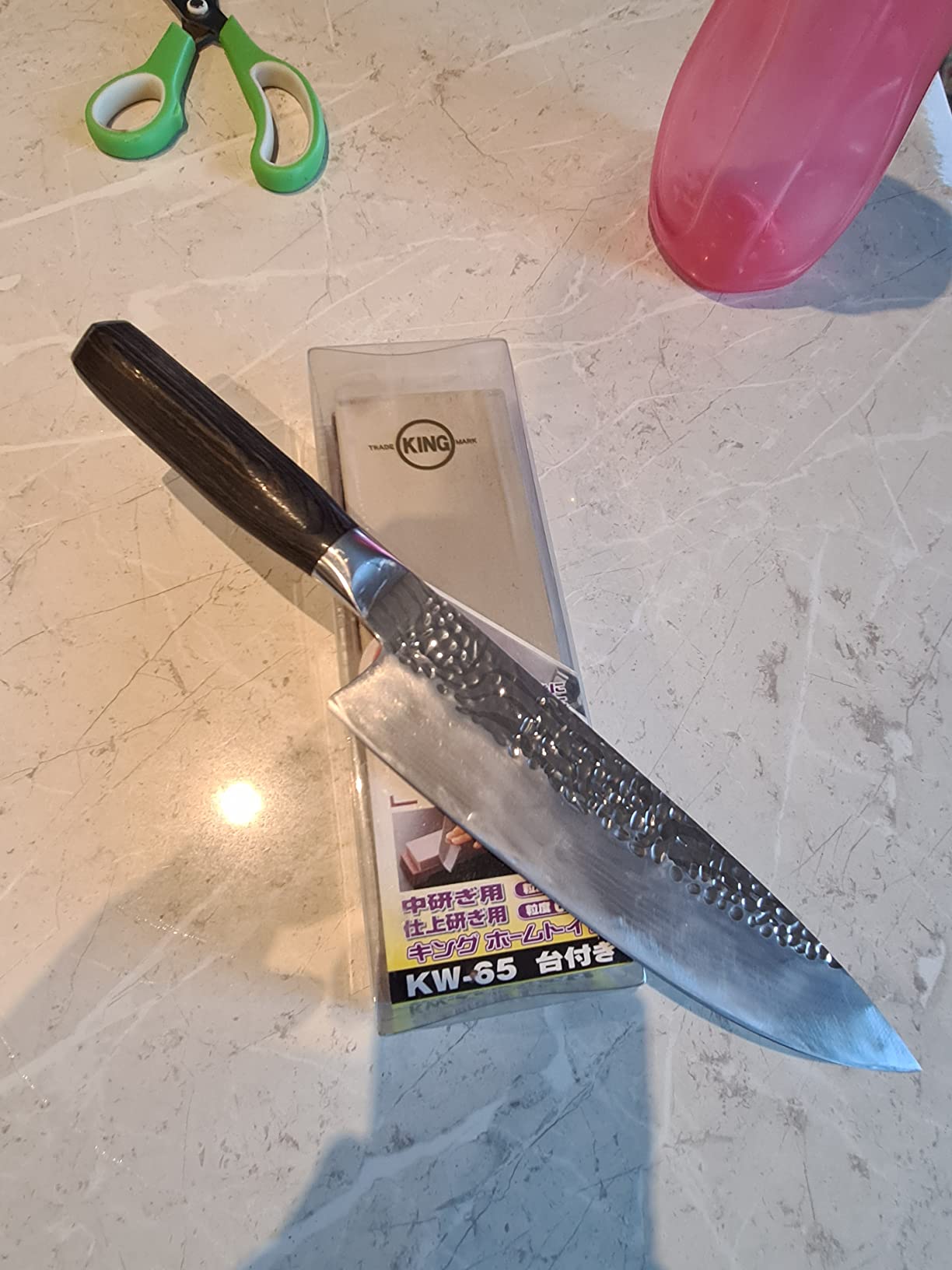
In this episode, D. Landis Smithers joins Robb to explore why a sharp knife is a crucial piece of any cook’s arsenal. For the home cook who prepares and cooks meals daily, the benefit of having sharp knives is immense. Not only will the cook save a tremendous amount of time when it comes to trimming and cutting ingredients, but it will also greatly reduce the risk of cutting themselves while trying to work with dull tools.
Build Quality & Durability
King stones are our standard sharpening stones. They have a consistent grit structure and abrasive wear pattern. As with all water stones, they will dish (cup) out to some extent but this is easy to lap out and they remain effective sharpening tools for a very long time. By rinsing them after every sharpening and by ensuring that they are thoroughly dry before storage, these stones will sharpen thousands of blades over many years with little or no maintenance.
Our sharpening stone is suitable for use with almost all stainless steel kitchen knives. For the best results we would recommend using standard Western kitchen knives. However it can also be used for sharpening Japanese knives. Some very hard steels may require a bit more work to sharpen but this stone will also sharpen these successfully.
Primary Specifications
Dual grit: 1000/6000
Type: Water stone
Sharpening method: Manual
Recommended angle: 15°–20°
Suitable for: Most kitchen knives
How to Use
1. Wet the stone and leave it to soak for 10-15 minutes. This will ensure that the stone is adequately lubricated for sharpening.
2. Place the stone on a non-slip surface or on a damp cloth. Hold the knife at the 1000-grit surface and at an open sharpening angle of about 15°/20°. Move the knife along the surface in a smooth, even motion and guide it from the heel to the tip. Apply a medium sharpening pressure and work along the entire length of the blade on both sides of the knife until you can feel a burr on the edge.
Switch to the 6000-grit side and sharpen at a lighter angle with slightly less pressure in a smooth gentle drawing motion. Store and keep wet sharpstone dry.
Pros
* Excellent edge control and precision
* Preserves knife lifespan
* Professional-level sharpness
* Strong value for performance
Cons
* Requires practice and patience
* Needs soaking and drying time
* Slower than electric sharpeners
Real-World Use Experience
You will sharpen your whetstone a few times before your knife actually needs sharpening. Sharpening a knife with a whetstone is very rewarding and is very tactile and very immediate. It engages your sense of touch and your sense of accomplishment in very direct and satisfying ways.
If you care about your knives, the King 1000/6000 sharpener is an essential tool for your kitchen arsenal.
Top Pick :
Amazon Basics 1000/6000 Whetstone
So, if you have never sharpened a knife before and you’d like to try it out on the cheap, the Amazon Basics 1000/6000 Whetstone is your best bet. The price is incredibly cheap, much, much cheaper than it should be, and it has two surfaces, ground to 1000 and 6000 grit. This is actually a common configuration in many whetstones that can cost hundreds of dollars. While not quite up to the standards of the more expensive models, it’s a great starting point for those that have never sharpened a knife before and looking to start building a collection of knife sharpening tools.
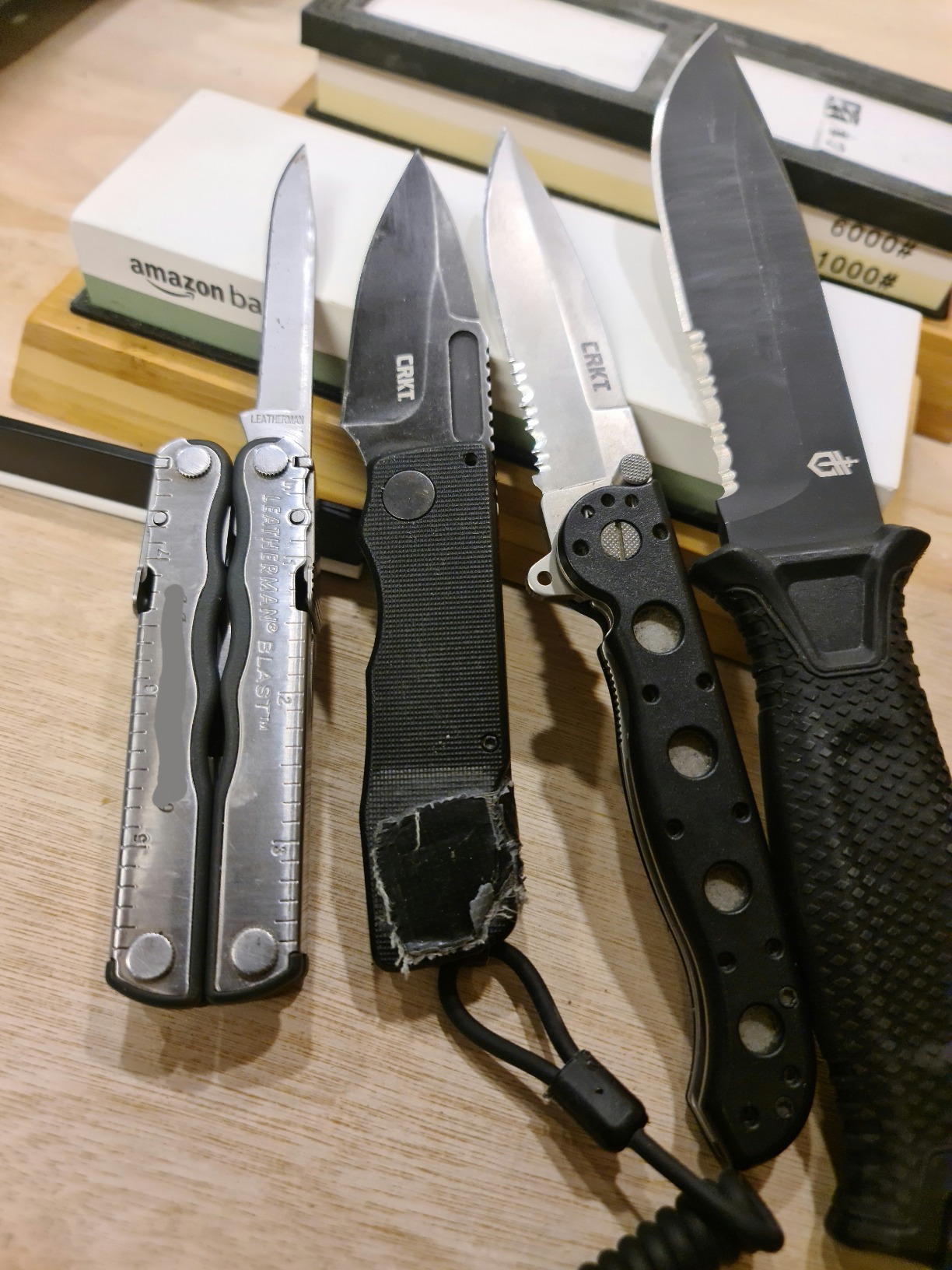
This 1000/6000 grit sharpening stone is for sharpening dull knives as well as for maintaining sharpness between sharpenings so that your knives are always razor sharp. The 1000 grit is coarse enough for sharpening a dull knife. It will also easily sharpen and hone the knife you cut vegetables and soft foods with. The 6000 grit is fine enough to further hone the knife and give you an even sharper edge for even better cutting performance. Sharpens: – Most chef’s knives made of common stainless steel – Santoku knives – Many types of utility knives
I’ve chosen to start with this sharpening stone for several reasons. Firstly, the stone came with a non-slip bamboo base. A stable sharpening surface is very important when sharpening with fingers and hands. In my experience a non-slip surface between the sharp edge of the knife and your fingers makes all the difference. While this stone will wear away much more quickly than a high-grade Japanese sharpening stone it is still easy to flatten and maintain the surface to maintain sharpness.
If you are looking for a budget manual sharpening knife sharpening system that is affordable and will actually sharpen your knives then this is a great whetstone to begin sharpening your knives.
Primary Specifications
Dual grit: 1000/6000
Type: Water stone
Base: Non-slip bamboo holder
Suitable for: Most stainless steel kitchen knives
How to Use
Wet the sharpening stone You will need to wet the stone before use. Place the stone in water and let it sit for about 10–15 minutes. After this time, place the stone in the bamboo base and set it on a flat surface, or on a damp towel. Sharpen the knife using the 1000-grit side Hold the knife sharpener at about a 15–20° angle to the stone and with a smooth gentle motion move the knife across from the heel to the tip. Use moderate pressure and sharpen both sides until a small burr is visible along the length of the knife’s edge.
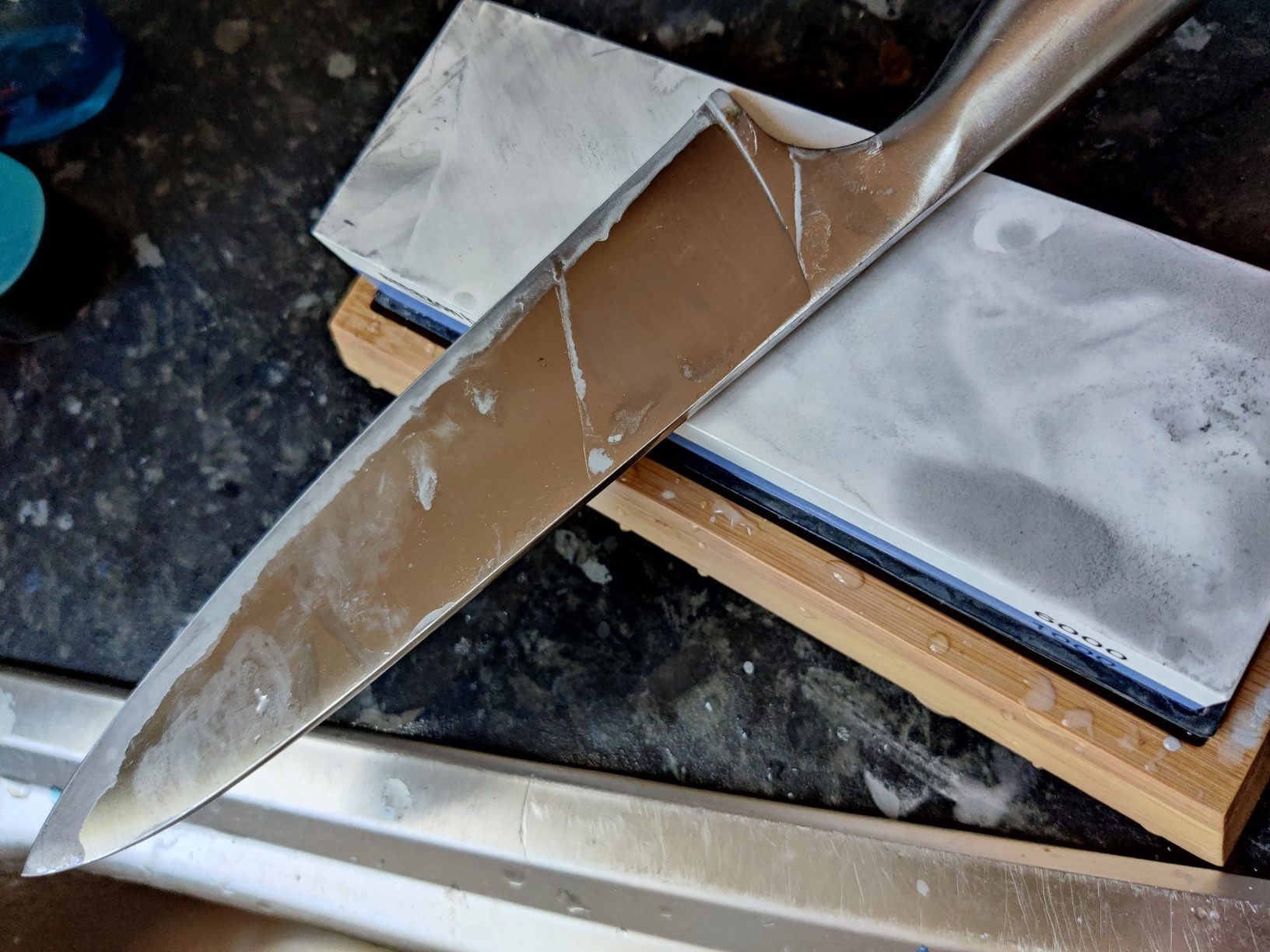
Flip your knife to the 6000-grit side and sharpen with less pressure and control. This will hone the knife to a razor sharp edge that will allow for a precise and smooth slicing experience. Remember to rinse and dry your knife thoroughly. Rince and allow the whetstone to air dry before storing.
Pros
Very affordable
Great for beginners
Includes stable bamboo base
Effective dual-grit combination
Cons
May wear faster than premium stones
Not ideal for very hard Japanese steel
Requires soaking and maintenance
Real-World Experience
The stone is also great for use as a kitchen chopping board. A great starter whetstone that is very affordable. It won’t produce razor sharp edges like more advanced stones will, but it will make your knife sharp enough so that it is actually usable.
Best Electric: Work Sharp Ken Onion Edition Knife Sharpener
When you want fast, consistent sharpening without mastering whetstone technique, the Work Sharp Ken Onion Edition Knife Sharpener stands out as one of the best electric options for home kitchens. Designed in collaboration with professional sharpener Ken Onion, this model combines power, precision, and user-friendly features that make sharpening effortless—even for those new to knife maintenance.
Unlike manual stones that depend on technique and angle control, this electric system uses flexible abrasive belts, giving you controlled contact with the blade. You can adjust the sharpening angle anywhere between approximately 15° and 30°, so it accommodates a wide range of kitchen knives, from Western chef’s knives to Asian blades and even outdoor tools. For busy cooks who don’t have time for whetstone soaking and stropping, the Work Sharp system quickly restores a keen edge with minimal effort.
One of the biggest advantages of this electric sharpener is speed: dull knives go from unusable to razor-ready in minutes. The variable speed and belt system also handle not just knives but tools like scissors, axes, and garden shears—though this guide focuses on kitchen use. While electric sharpeners generally remove more steel than hand stones, the Work Sharp Ken Onion Edition balances aggressive cutting with customizable precision, making it suitable for frequent kitchen maintenance.
Primary Specifications
Type: Electric belt sharpener
Angle range: Adjustable (~15°–30°)
Included belts: Coarse to fine abrasive belts
Power: Plug-in electric system
Suitable for: Most kitchen knives, tools, and outdoor blades
How to Use
Plug in the sharpener and select your desired sharpening belt—start with a coarse belt for dull edges and move to finer belts for edge refinement. Adjust the angle guide to match the type of knife you’re sharpening, typically around 15°–18° for kitchen chef’s knives. Hold your knife firmly and draw it gently through the sharpening slot, guiding the blade along the belt surface at a steady pace. Repeat on each side for balanced edge formation. After coarse shaping, switch to finer belts for polishing. Wipe your knife clean after sharpening and carefully test sharpness on a piece of paper or tomato to ensure a razor finish.
Pros
Extremely fast and consistent
Adjustable sharpening angles
Handles a variety of blade shapes
Great for users who prefer electric systems
Cons
Removes more metal than whetstones
More expensive than basic manual options
Larger footprint in the kitchen
Real-World Experience
In everyday kitchen use, the Work Sharp Ken Onion Edition impresses with speed and convenience. Busy home cooks appreciate that dull knives are restored quickly with little technical skill required. The adjustable angle feature also makes it versatile for different kitchen blades, reducing the need for separate tools. While traditionalists might prefer the finesse of a whetstone, most users find this electric sharpener delivers reliable results with minimal effort.
Best Premium: Zwilling Bob Kramer Glass Stone Set
For cooks who want the highest level of precision sharpening, the Zwilling Bob Kramer Glass Stone Set represents one of the most refined manual sharpening systems available. Developed in collaboration with legendary knife craftsman Bob Kramer, this premium set is built for serious kitchen enthusiasts and professionals who care deeply about edge quality and long-term knife performance. Unlike typical water stones, these glass-backed stones offer superior flatness and durability, making them easier to maintain and more consistent over time.
The set typically includes a progression of grit options, allowing you to gradually refine and polish knife edges to an exceptionally smooth, razor-sharp finish. Glass stones require minimal conditioning before use and stay flat longer than traditional stones, which helps maintain consistent results from session to session. This makes them especially suited to high-quality kitchen knives, Japanese hard steels, and custom blades that benefit from very precise edge geometry.
While premium-priced, the Zwilling Bob Kramer set stands apart in delivering professional-grade sharpening without the steep learning curve associated with some high-end stones. It’s an investment for cooks who sharpen regularly and want consistent, repeatable results that elevate cutting performance.
Primary Specifications
Type: Glass backing sharpening stones
Grit range: Multiple grit progression (varies by set)
Material: High-quality abrasive bonded to flat glass
Sharpening method: Manual
Suitable for: Kitchen knives, chef’s knives, and high-end blades
How to Use
Place the glass stone on a stable, non-slip surface. No soaking is required if the stone is a dry type (confirm with your specific model). Hold your knife at a consistent angle appropriate to your blade (typically 12°–20° for most kitchen knives). Using smooth, controlled strokes, draw the knife edge across the stone from heel to tip, maintaining even pressure. Progress through the grit sequence from coarser to finer stones, refining the edge with each step. After finishing, rinse the blade and dry thoroughly. Regular stropping after use helps maintain the polished edge and extends time between full sharpening sessions.
Pros
Exceptional edge refinement
Superior flatness and durability
Professional-grade results
Great for high-end and specialty knives
Cons
Premium price point
Requires practice for best results
Slower than electric sharpeners
Real-World Experience
In real kitchen use, the Zwilling Bob Kramer Glass Stone Set consistently produces some of the sharpest and cleanest edges you’ll find outside professional sharpening services. Users who cook frequently and care about edge performance appreciate how smooth and effortless slicing feels after sharpening. Whether you’re trimming meat, dicing vegetables, or slicing delicate herbs, the polish and precision of these stones enhance cutting confidence. Though it demands more technique than plug-and-play electrics, most home chefs find the results well worth the investment.
Other Knife Sharpeners We Considered
We looked at several other models that didn’t quite make our top picks. Some were easy to use but lacked long-term durability, while others delivered strong performance but were too expensive for most users. A few electric sharpeners were fast but removed too much material, which can shorten the lifespan of knives over time. Others had inconsistent results depending on blade type.
The Competition
Compared to our top picks, most competing sharpeners fall short in at least one key area—either performance, ease of use, or durability. Budget options often compromise on consistency, while some premium models offer only marginal improvements at a significantly higher price. Our selected products provide the best balance between quality, usability, and long-term value.
Why You Should Trust Us
This guide is built on careful research and real-world user feedback rather than brand claims or marketing language. For this article, we analysed detailed reviews from trusted sources and compared them with experiences shared by everyday users who regularly sharpen their knives at home.
We focused on how each knife sharpener performs in practical kitchen situations—whether it’s restoring a dull blade, maintaining sharpness over time, or making everyday food prep easier and safer. We also compared different sharpening methods, including whetstones and electric systems, to understand how they suit different skill levels and needs.
Instead of listing as many products as possible, we selected a small number of sharpeners that consistently deliver reliable results. Each pick is chosen based on performance, ease of use, durability, and overall value for money.
Our goal is simple: to help you choose a knife sharpener that actually improves your cooking experience—not just one that looks good on paper.
Frequently Asked Questions
How often should I sharpen my knives?
Every 2–3 months for regular use, or when cutting becomes difficult.
Is honing the same as sharpening?
No. Honing maintains alignment; sharpening removes material to create a new edge.
Are electric sharpeners safe?
Yes, but they remove more metal. Use them moderately.
What grit is best for beginners?
A 1000/6000 combination stone is ideal.
Can I sharpen all knives?
Most knives can be sharpened, but serrated blades require special tools.
