


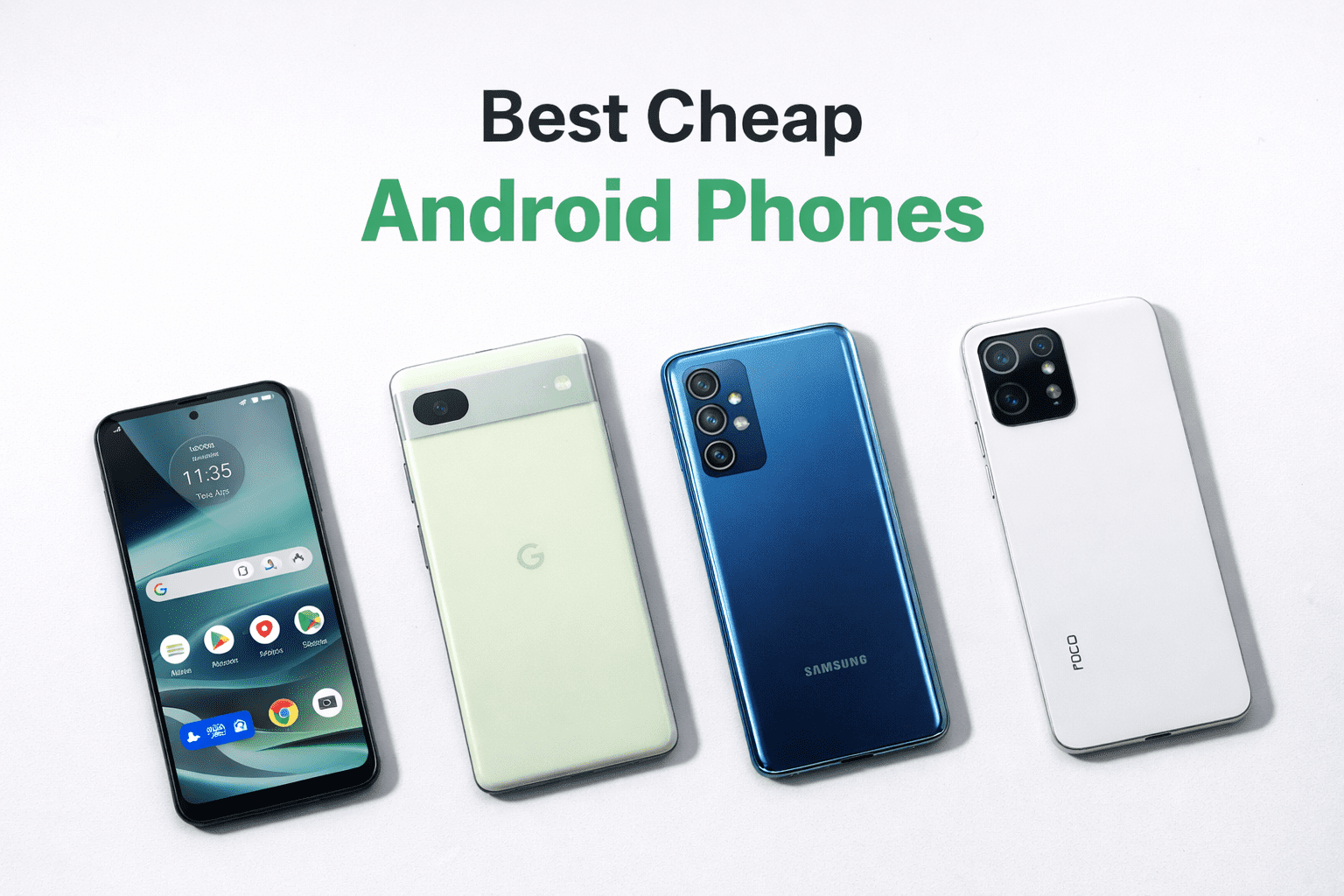
Best Cheap Android Phones can make everyday life easier without forcing you to spend flagship-level money. If you mainly use your phone for calls, messaging, social media, navigation, light gaming, photos, and streaming, today’s affordable Android phones are more than capable. The key is choosing models that prioritise smooth performance, reliable battery life, and clean software over flashy but unnecessary specs.
In real use, the best cheap Android phones are the ones you forget about after a few days—in a good way. They unlock quickly, don’t lag when switching apps, last a full day (or more) on a charge, and take photos that look fine when shared on social media. You may not get premium materials or cutting-edge cameras, but you can still get a phone that feels dependable and practical.
This guide focuses on value-driven Android phones that work well for everyday use. Instead of chasing spec-sheet numbers, we looked at how these phones behave during daily tasks, how comfortable they are to use over long periods, and whether they continue to feel usable after months of ownership. If you’re looking for a sensible upgrade or a reliable secondary phone, this list will help you choose confidently.
Quick Picks
| Best For | Product Name | Check Price |
|---|---|---|
| Best Overall | Samsung Galaxy A-Series (Mid-range A model) | Amazon↑ |
| Best Camera Value | Google Pixel a Series | Amazon↑ |
| Best Battery Life | Motorola Moto G Series | Amazon↑ |
| Best Performance for the Price | Xiaomi / POCO Budget Models | Amazon↑ |
| Best Clean Android Experience | Nokia / Motorola Android Phones | Amazon↑ |
Samsung Galaxy A-Series – Best Overall Cheap Android Phone
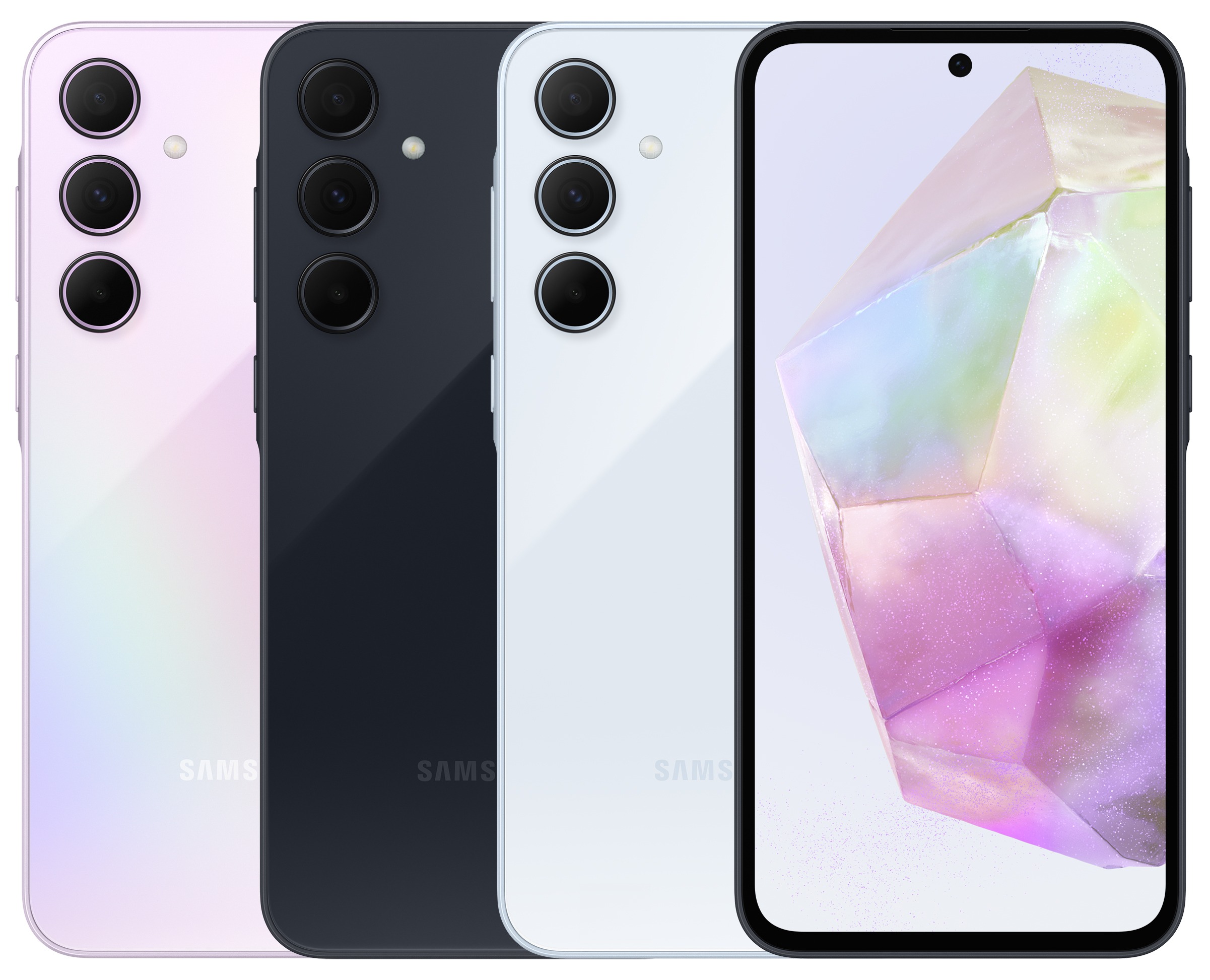
For most people, a mid-range Samsung Galaxy A-series phone is the safest and most balanced choice among cheap Android phones. In everyday use, these phones feel familiar, reliable, and easy to live with. After a few days of use, what stands out is how little friction there is—apps open smoothly, scrolling feels stable, and basic tasks just work.
The display quality is a major strength. Even on affordable models, Samsung’s screens tend to be bright, sharp, and comfortable to read outdoors. Watching videos, browsing social media, or reading articles feels better here than on many similarly priced competitors.
Battery life is another highlight. With moderate use—calls, messaging, maps, and occasional video streaming—a full day is rarely a concern. In real-world use, many users comfortably reach the evening with battery to spare. Charging speeds are reasonable, even if not class-leading.
The camera experience is dependable rather than flashy. Photos in good lighting look clear and well-balanced, and while low-light performance isn’t premium-level, it’s good enough for casual shots. For people who want a phone that does everything reasonably well without surprises, the Samsung Galaxy A-series remains one of the best cheap Android phone options.
Google Pixel “a” Series – Best Camera Value
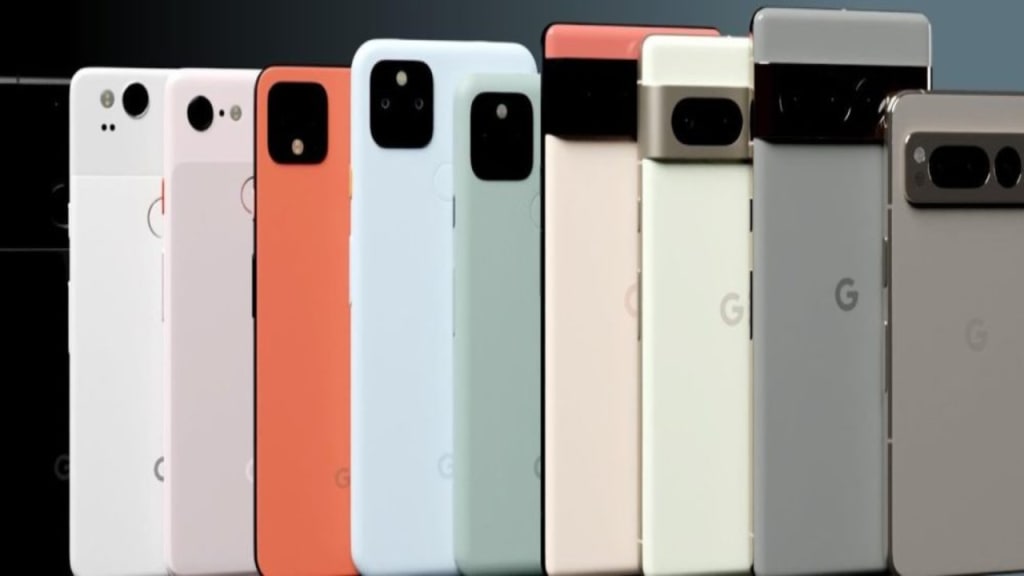
If camera quality matters most, the Google Pixel “a” series stands out among cheap Android phones. In daily use, what makes these phones special isn’t the hardware—it’s how Google processes images. Photos often look sharper, more natural, and better balanced than those taken on many other budget Android phones.
Using the camera feels simple and fast. You point, tap, and the phone does the rest. Portrait shots, everyday photos, and even casual night shots tend to look surprisingly good for the price. For people who frequently take photos of family, food, or travel moments, this can be a big advantage.
Performance is smooth for daily tasks, although these phones are not designed for heavy gaming. In real use, social apps, navigation, and multitasking feel responsive enough. Battery life is acceptable but not outstanding; most users will get through a full day with moderate use, but heavy camera use can drain it faster.
What really adds value is software. Pixel phones offer a clean Android experience with timely updates. If you value photography and software support over raw specs, the Pixel “a” series is one of the best cheap Android phone choices available.
Motorola Moto G Series – Best Battery Life
Motorola’s Moto G series is ideal for users who care most about battery life and simplicity. In everyday use, these phones are refreshingly straightforward. The interface is close to stock Android, meaning fewer unnecessary apps and a clean, uncluttered experience.
Battery performance is where Moto G phones really shine. Many models comfortably last a full day and often stretch into a second day with lighter use. For people who travel, work long shifts, or simply dislike charging frequently, this is a practical advantage you’ll notice quickly.
Performance is tuned for stability rather than speed. Apps open reliably, and general navigation feels smooth, although demanding games may require lower settings. The cameras are functional and produce decent results in good lighting, though they don’t compete with camera-focused phones.
For anyone who wants a no-nonsense Android phone that lasts long on a single charge, the Moto G series remains one of the most sensible cheap Android phone options.
Xiaomi / POCO Budget Models – Best Performance for the Price
 If raw performance matters more than brand familiarity, Xiaomi and POCO budget phones often deliver impressive value. In everyday use, these phones feel fast—apps open quickly, multitasking is smooth, and light gaming performs better than expected at this price point.
What stands out after a few days of use is how responsive the interface feels. Scrolling through apps, switching between tasks, and launching games happens with minimal delay. This makes Xiaomi and POCO models appealing to users who want performance without paying extra.
Battery life is generally solid, often lasting a full day with moderate use. Charging speeds are sometimes faster than competitors in the same price range, which is convenient if you top up during the day.
The main trade-off is software. While feature-rich, the interface can feel busy, and some pre-installed apps may not appeal to everyone. Still, for users who prioritise performance and are comfortable tweaking settings, Xiaomi and POCO phones offer excellent value among cheap Android phones.
Nokia & Clean Android Phones – Best Simple Experience
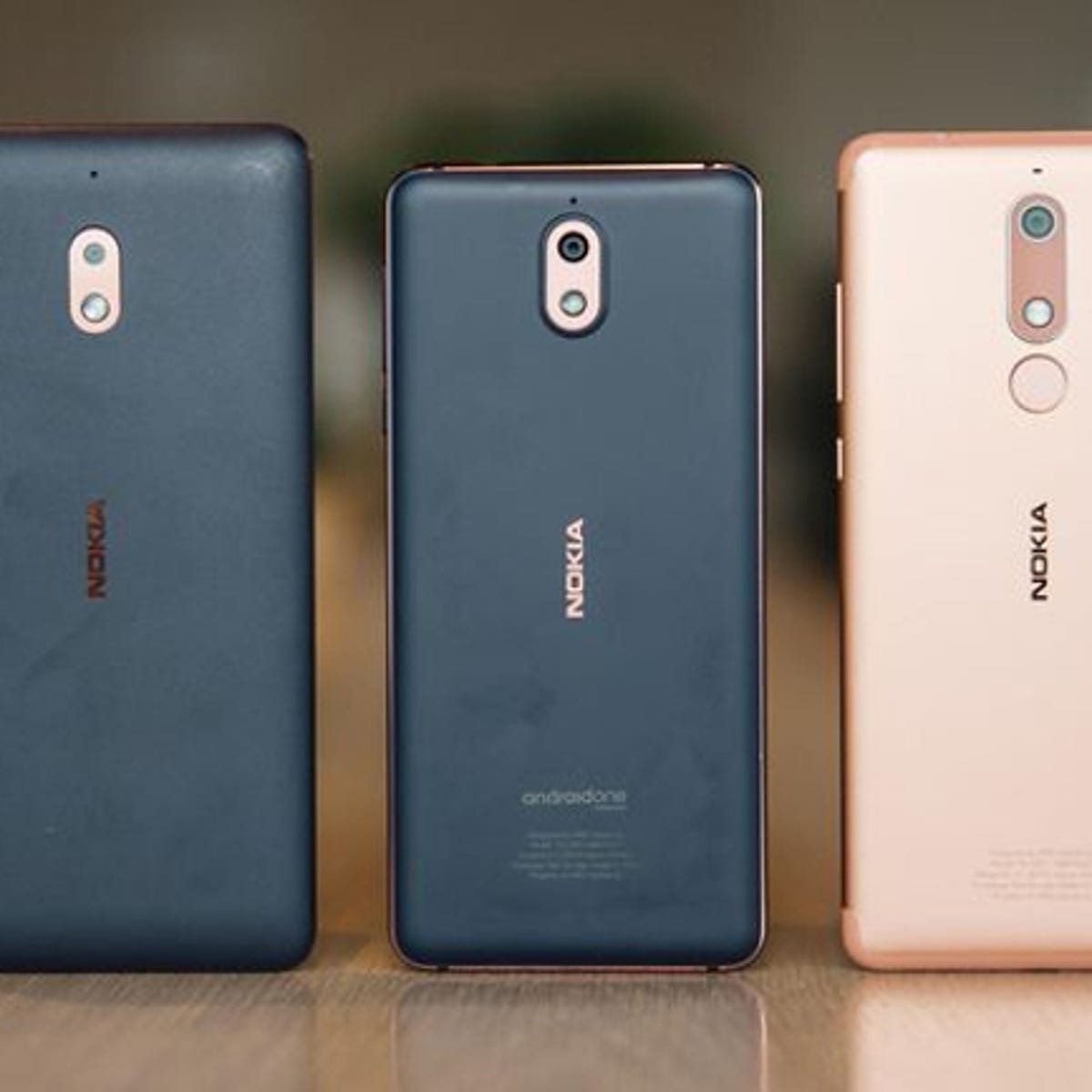
For users who want simplicity above all else, Nokia and other clean-Android phones focus on stability and ease of use. These phones may not lead in specs, but they offer a straightforward Android experience that feels predictable and easy to manage.
In real use, the appeal is consistency. There are fewer background processes, fewer distractions, and an interface that stays out of the way. This can be especially useful for first-time smartphone users, older users, or anyone who wants a phone that “just works.”
Performance is adequate for everyday tasks like messaging, browsing, and navigation. Battery life is generally respectable, and build quality feels solid enough for daily handling.
If you value simplicity and a clutter-free experience, these clean-Android devices are worth considering among the best cheap Android phones.
Comparison Table
| Phone Category | Strength | Battery Life | Camera Quality | Best For |
|---|---|---|---|---|
| Samsung Galaxy A-Series | Balanced all-rounder | Good | Good | Most users |
| Google Pixel “a” Series | Software & camera | Average | Very Good | Photography |
| Motorola Moto G Series | Long battery life | Very Good | Average | Heavy daily use |
| Xiaomi / POCO Budget | Strong performance | Good | Good | Speed & gaming |
| Nokia / Clean Android | Simplicity | Good | Basic | Easy use |
How We Researched & Chose
To identify the best cheap Android phones, we focused on everyday usability rather than marketing claims. We considered how each phone performs during real-world tasks such as calling, messaging, navigation, browsing, and casual photography. We also looked at long-term factors like battery consistency, software experience, and general reliability.
Instead of ranking phones purely by specs, we prioritised balance. Phones that felt smooth, dependable, and easy to live with scored higher than those that offered impressive numbers but inconsistent performance. This approach ensures that the recommendations remain useful over time.
Buying Guide: How to Choose the Best Cheap Android Phone
When choosing a cheap Android phone, start with your daily habits. If you mainly use your phone for social media, messaging, and navigation, you don’t need flagship-level performance. Focus on battery life, screen quality, and software stability.
Cameras vary widely in this price range. If photography matters, choose a phone known for strong image processing rather than high megapixel counts. Battery size alone doesn’t tell the whole story—efficient software often matters more.
Finally, consider software experience. A clean, well-optimised Android interface often feels smoother over time than feature-heavy skins. The best cheap Android phone is the one that fits how you actually use your device every day.
Final Recommendation
For most people, a Samsung Galaxy A-series phone offers the best balance of performance, display quality, and reliability. If photography is your priority, the Google Pixel “a” series is hard to beat. Users who value battery life should look at Motorola’s Moto G lineup, while performance-focused users may prefer Xiaomi or POCO models. Each option represents a strong value among today’s best cheap Android phones.
Frequently Asked Questions
Are cheap Android phones good for everyday use?
Yes. Modern cheap Android phones handle daily tasks like messaging, browsing, navigation, and streaming very well.
How long do budget Android phones last?
With normal use and care, many budget Android phones remain usable for several years.
Do cheap Android phones get software updates?
Some brands offer better update support than others. Clean-Android and Google-backed phones usually perform best here.
Is battery life better on cheap Android phones?
Often yes. Many budget phones prioritise battery life over power-hungry features.
Can cheap Android phones take good photos?
Yes, especially models that focus on software processing rather than camera hardware alone.